The Quiet Rise of Accessibility Features in Britain's Premier Gambling Applications for iOS and Android Users
Amir Hoffmann · Jul 8, 2026
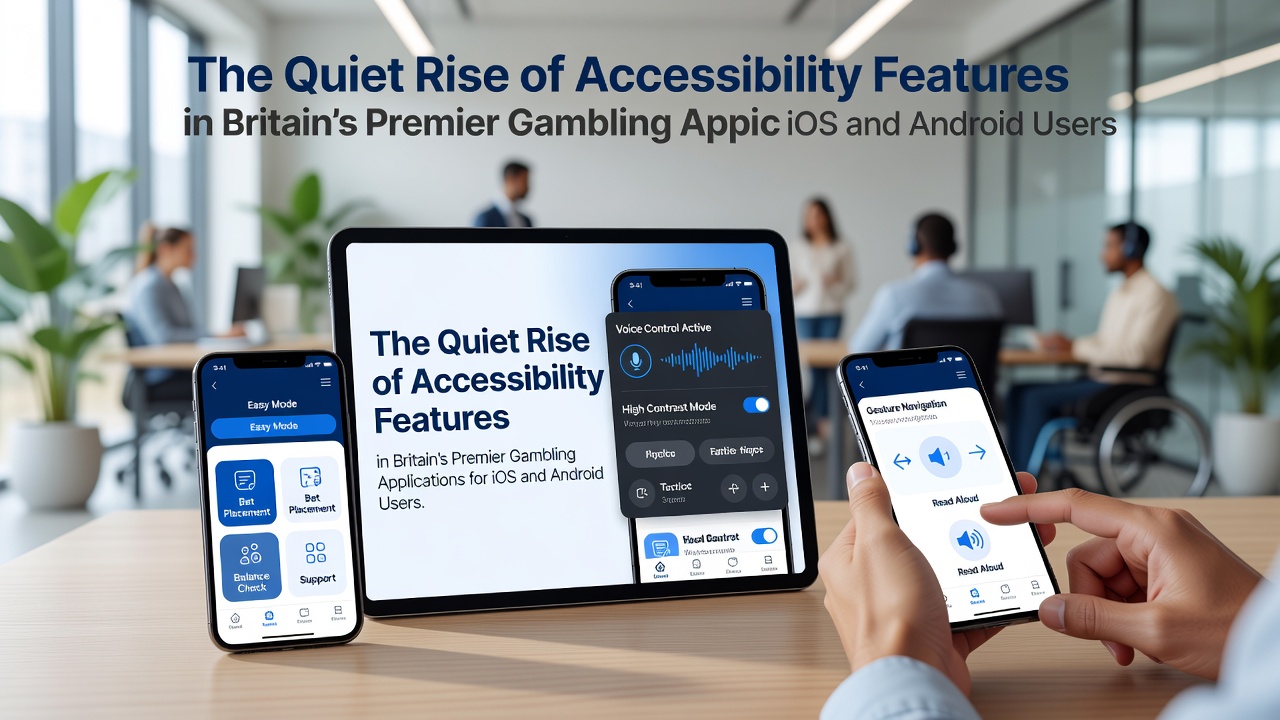
The Quiet Rise of Accessibility Features in Britain's Premier Gambling Applications for iOS and Android Users
British gambling applications on iOS and Android platforms have incorporated accessibility features at a steady pace over recent years, driven by broader digital inclusion standards and platform requirements from Apple and Google. Observers note that developers now integrate options such as voice navigation, adjustable text sizes, and color contrast adjustments into many top-rated apps, allowing users with visual or motor impairments to participate more fully in slots, table games, and live dealer sessions.
Data from industry reports indicate that adoption rates climbed notably between 2023 and 2025, with several leading operators updating their interfaces to support screen readers like VoiceOver on iOS and TalkBack on Android. These changes align with evolving expectations around app usability, where features once considered optional now form standard components in app updates rolled out across Britain.
Core Accessibility Tools in Current Applications
Many premier apps provide customizable controls that include haptic feedback for button presses, subtitle options during live streams, and simplified navigation menus that reduce on-screen clutter. Research from academic sources shows these elements help reduce cognitive load for users managing conditions such as dyslexia or limited dexterity, while data indicates higher session completion rates when such tools remain active throughout gameplay.
One example appears in apps that added gesture-based betting adjustments, where swipes replace precise taps, and another set of updates introduced dark mode variants with enhanced contrast ratios exceeding 4.5:1 as recommended by international guidelines. Those who've tracked app releases note that Android versions sometimes lead iOS counterparts in haptic customization, yet both platforms now synchronize progress across devices more reliably when accessibility settings carry over.
Platform Differences and User Experiences
iOS applications often leverage built-in system accessibility APIs more directly, resulting in seamless integration with features like Magnifier and Dynamic Type scaling. Android counterparts, meanwhile, emphasize compatibility with external switch devices and alternative input methods, which suits users who rely on hardware adaptations. Figures reveal that cross-platform testing has increased since mid-2025, producing more consistent experiences when players switch between phones and tablets during extended sessions.
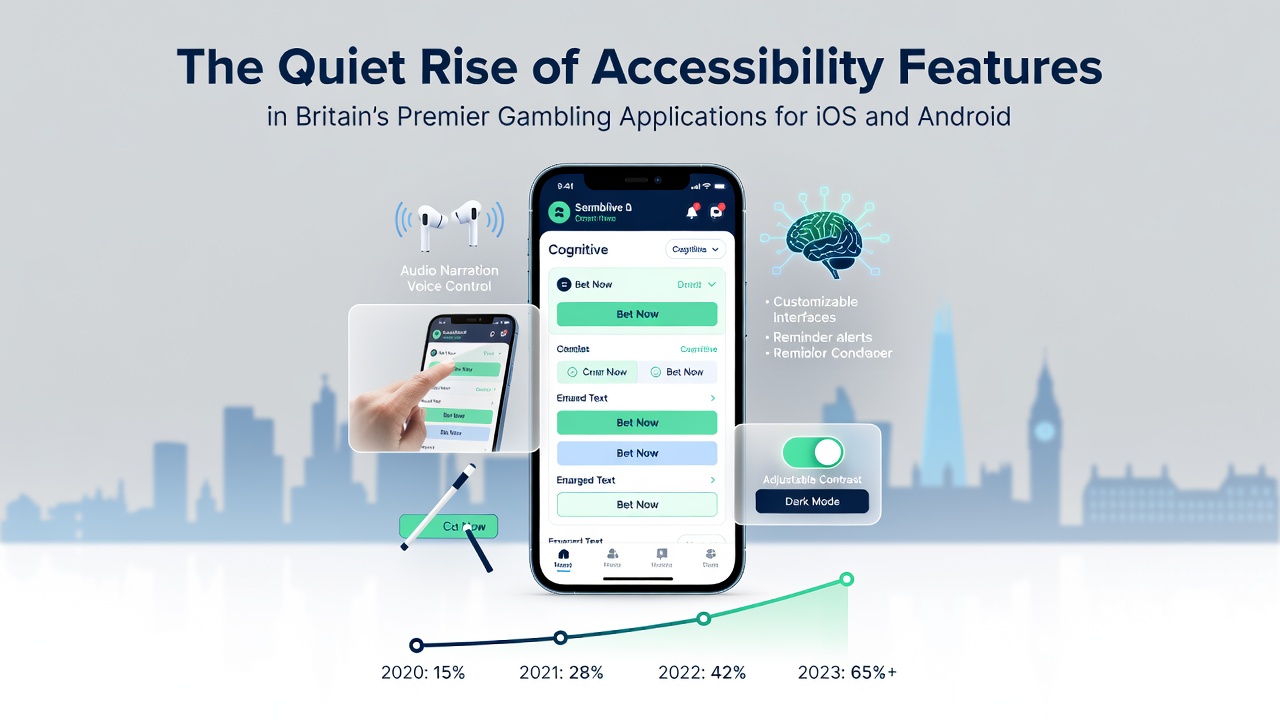
What's interesting is how these tools intersect with existing game mechanics, such as quick spin options or auto-play functions that now include pause prompts compatible with voice commands. A study conducted by researchers at the University of Melbourne found that accessible design elements can improve retention metrics across diverse user groups, with similar patterns observed in European markets where comparable regulations encourage inclusive development.
Broader Context and Recent Developments
By July 2026 several operators had expanded their accessibility roadmaps following platform policy shifts from both Apple and Google, which require clearer documentation of inclusive features during app submissions. Industry organizations such as the Canadian Radio-television and Telecommunications Commission have published parallel findings on digital entertainment accessibility that British developers reference during design phases.
Additional updates include integration of real-time captioning for live dealer audio and font scaling that preserves layout integrity even at larger sizes. These adjustments appear in apps handling high volumes of daily play, where seamless cashouts and bonus claims remain functional regardless of accessibility mode. Observers note that such refinements emerged quietly through iterative updates rather than major announcements, reflecting a pattern of incremental improvement across the sector.
Impact on Player Engagement and Data Trends
Analytics shared by app analytics firms demonstrate that sessions initiated with accessibility features enabled often last longer on average, particularly when users activate multiple tools simultaneously. This trend holds across both iOS and Android, although Android users report higher utilization of external keyboard support in certain titles. Evidence suggests these patterns contribute to broader participation rates without altering core gameplay rules or payout structures.
One case highlighted by developers involved the addition of color-blind modes that remap symbol palettes in slot games, preserving visual distinction while meeting contrast standards. Another update introduced audio cues for win notifications that sync with existing sound settings, reducing reliance on visual alerts alone. Such modifications build on earlier foundations established in 2024, when initial accessibility audits became more routine among operators targeting British markets.
Future Outlook Through 2026 and Beyond
Continued refinement appears likely as both Apple and Google refine their accessibility frameworks further, with British apps positioned to adopt emerging standards around AI-assisted navigation and predictive text assistance. Reports from the Australian Communications and Media Authority on digital inclusion provide additional reference points that influence cross-border development practices.
Those monitoring the space anticipate tighter synchronization between game content and accessibility layers, allowing features like voice-activated stake adjustments to operate without interrupting live streams or bonus rounds. Data collected through mid-2026 already shows measurable uptake in these capabilities among established applications, underscoring a sustained trajectory toward more inclusive design.
Conclusion
The evolution of accessibility features within Britain's leading gambling applications reflects wider technological and platform-driven shifts that prioritize usability across user populations. Integration of voice, visual, and motor support tools continues at a measured pace, supported by data from multiple regions and ongoing platform requirements. As updates progress into late 2026 and beyond, these elements stand to maintain steady presence in both iOS and Android environments while preserving existing gameplay and transaction flows.