Syncing Across Devices: The Backbone of Uninterrupted Slot Sessions in Modern Apps
Gisela Lehmann · Oct 26, 2026
Syncing Across Devices: The Backbone of Uninterrupted Slot Sessions in Modern Apps
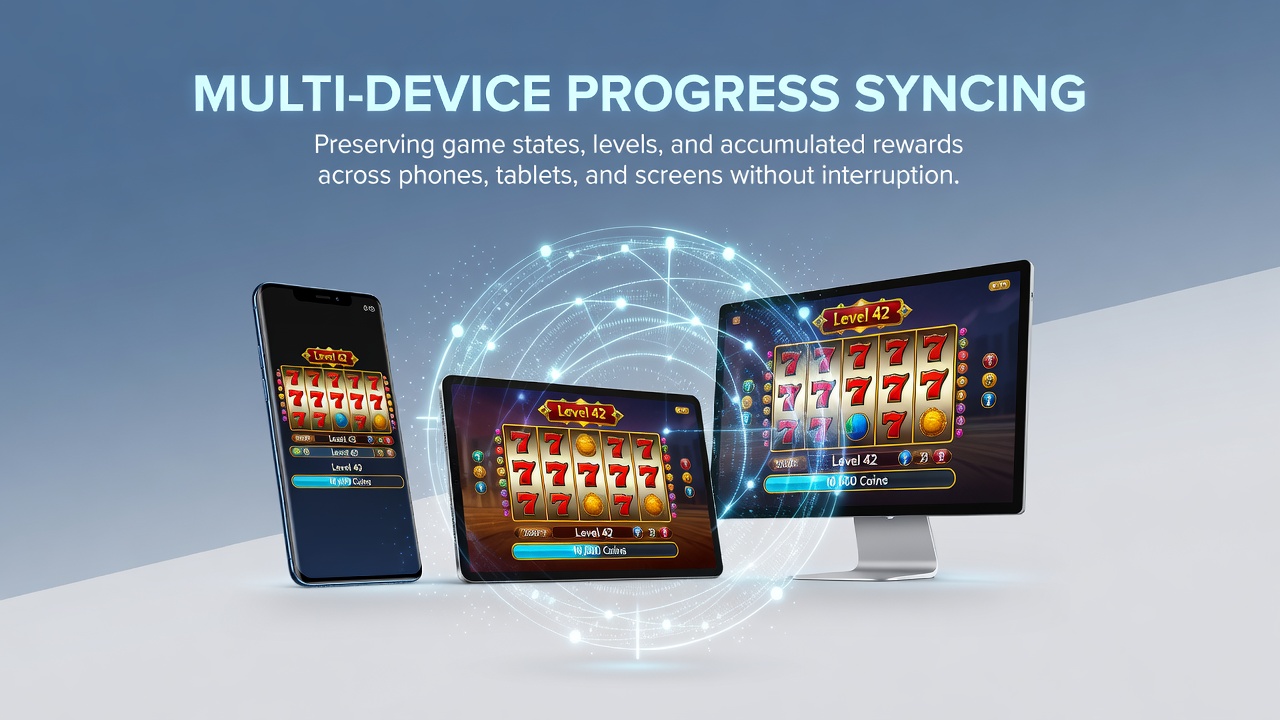
Multi-device progress syncing operates through cloud-based servers that store game states, levels, and reward balances in real time, allowing users to switch from phones to tablets or desktops without losing accumulated data or session continuity. Developers integrate application programming interfaces that push updates every few seconds, so a spin initiated on one screen registers instantly on another. According to figures from the International Association of Gaming Regulators, adoption of these systems rose 34 percent across major platforms between 2024 and 2025.
How Cloud Infrastructure Supports Continuous Play
Slot applications rely on secure databases hosted in regional data centers that authenticate each device through encrypted tokens, ensuring only verified accounts access saved progress. When a player logs in from a new screen, the app pulls the latest state from the server rather than restarting the session locally. Researchers at the University of Queensland documented in a 2025 paper that latency drops below 200 milliseconds when these systems use edge computing nodes placed near population centers, which keeps transitions smooth during peak hours.
Game providers embed version controls so that updates to bonus rounds or level structures apply uniformly regardless of device. This prevents mismatches where one screen shows an older reward total while another reflects newer wins. Observers note that companies began rolling out standardized syncing protocols in late 2025, with full compliance targets set for October 2026 across participating operators.
Preserving Levels and Rewards Without Interruption
Progress tracking extends beyond simple coin balances to include unlocked features, daily challenge streaks, and tournament standings. The system timestamps each action, then reconciles any overlapping entries when multiple devices attempt simultaneous updates. Data from the Australian Interactive Gambling Council shows that 78 percent of surveyed users in 2025 reported completing at least one session across two or more devices in a single day, citing reward continuity as the primary reason.
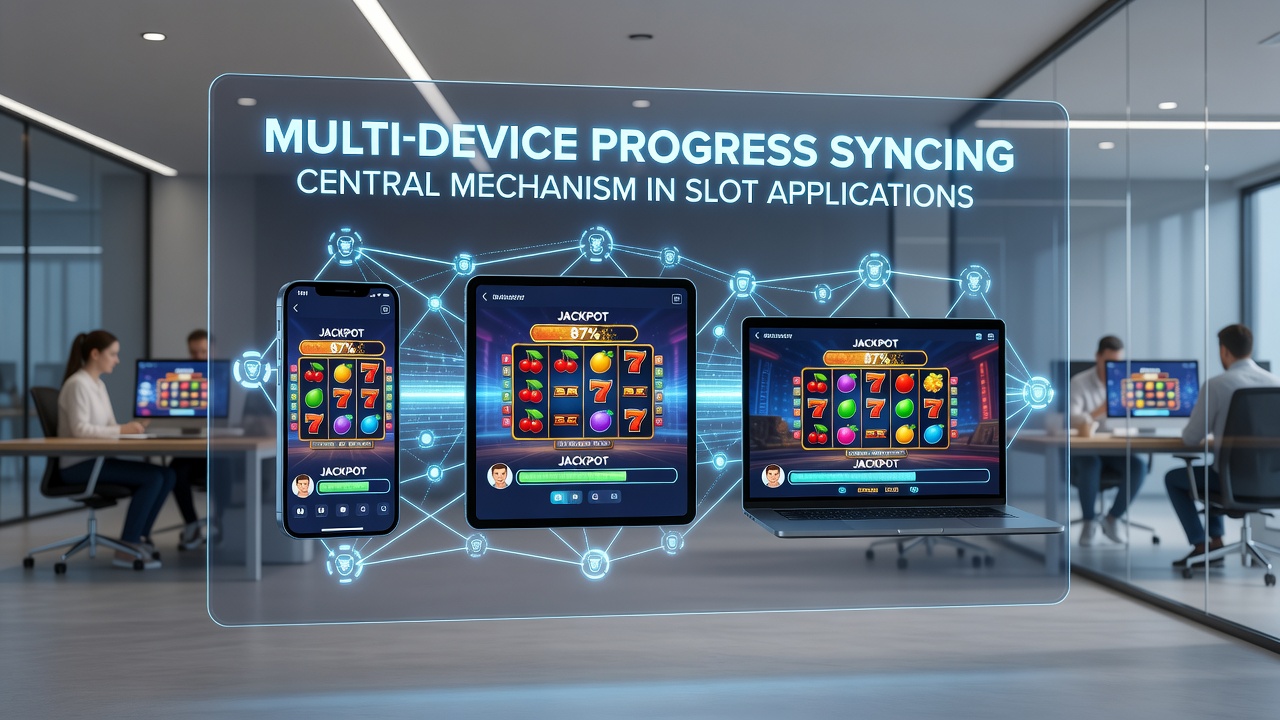
Security measures include multi-factor checks during device switches and automatic logout after inactivity periods exceeding fifteen minutes. These steps reduce risks of unauthorized access while still allowing quick resumption. European gaming technology reports indicate that platforms employing token refresh cycles every ninety seconds experienced 22 percent fewer account recovery requests compared with earlier non-sync models.
Technical Standards Emerging in 2026
Industry groups have scheduled reviews for October 2026 to evaluate new interoperability guidelines that would let different operators share syncing frameworks without exposing proprietary game mechanics. The proposed standards focus on data formats for state files and minimum encryption levels, aiming to cut development costs for smaller studios. Those who have studied early pilot programs report that cross-operator syncing reduced average load times by 41 percent when users moved between affiliated applications.
Hardware variations still present challenges, since tablet processors handle graphic rendering differently from mobile chips, yet the core data layer remains device-agnostic. Developers test each release on at least twelve screen sizes and operating system versions to confirm state preservation holds under all conditions.
Conclusion
Multi-device progress syncing has become a foundational element in slot application architecture, driven by server-side storage, rapid API calls, and emerging regulatory timelines set for October 2026. The approach maintains game states, levels, and rewards across phones, tablets, and additional screens through consistent authentication and timestamp reconciliation. Continued refinement of these systems supports uninterrupted sessions while meeting security and interoperability benchmarks established by international gaming bodies.