Sync Technologies Enabling Persistent Slot Progress on Portable Devices
Amir Hoffmann · Aug 22, 2026
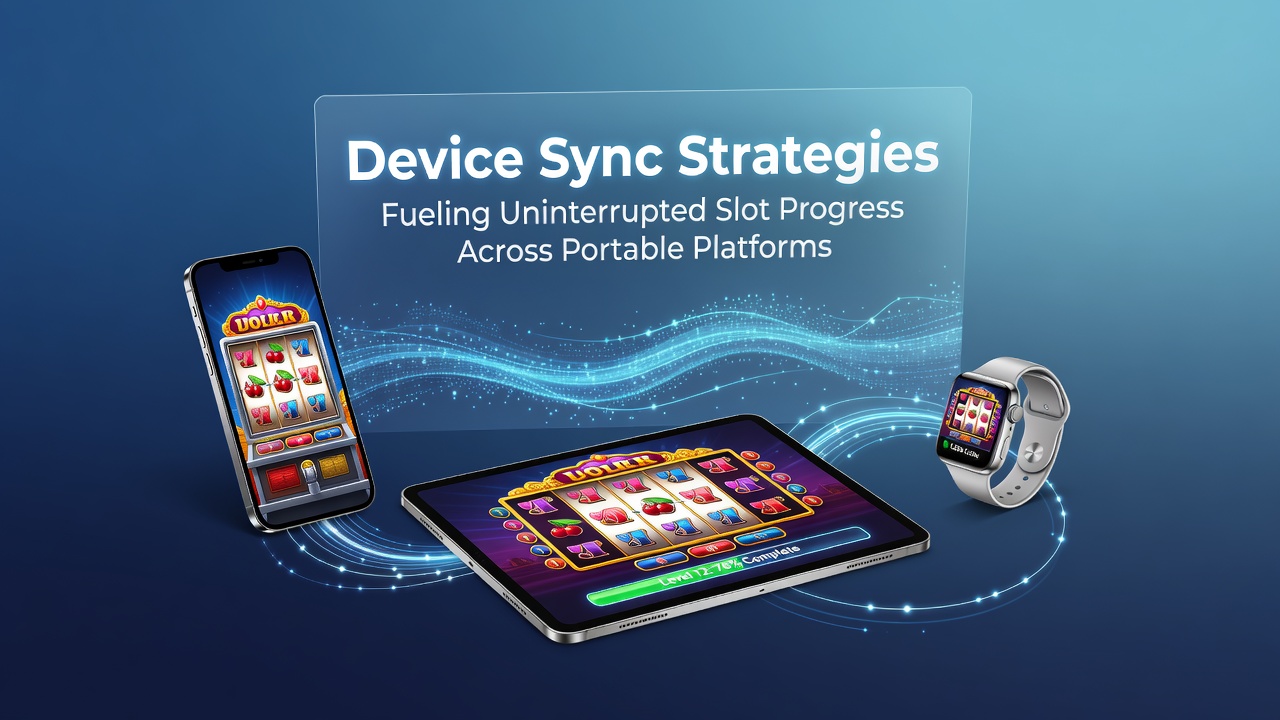
Sync Technologies Enabling Persistent Slot Progress on Portable Devices
Device synchronization has become central to mobile slot platforms because it allows players to resume sessions without losing accumulated progress, bonuses, or leaderboard positions when switching between smartphones and tablets. Developers rely on cloud-based account systems that store game states in real time, while local caching handles temporary offline periods before automatic reconciliation occurs upon reconnection. As of August 2026, industry reports indicate that synchronization features appear in over 85 percent of major slot applications distributed through global app stores, reflecting widespread adoption across operating systems.
Core Mechanisms Behind Cross-Device Continuity
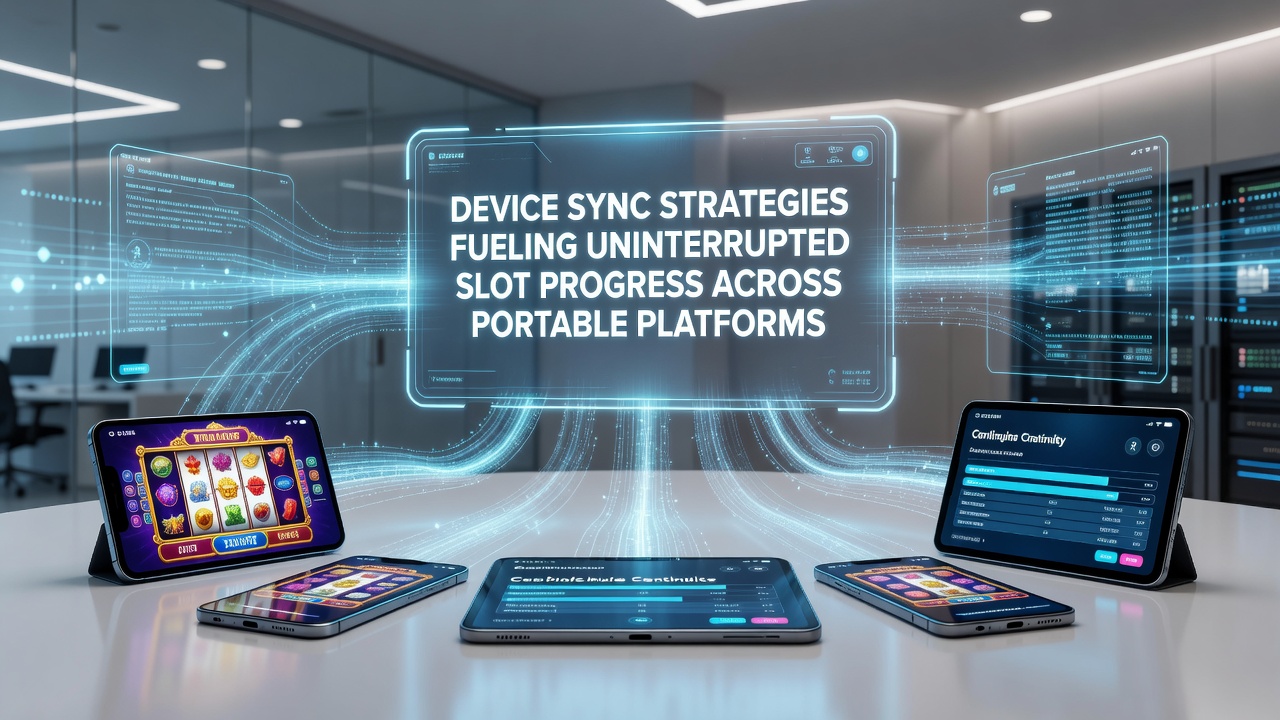
Account-linked profiles serve as the foundation because they tie player data to unique identifiers rather than device hardware, which enables seamless transitions when users log in from different portable units. Real-time data packets transmit updates on spin results, wager histories, and feature triggers through secure APIs that minimize latency during handoffs between networks. Observers note that conflict resolution algorithms compare timestamps from multiple sources and apply the most recent valid state, which prevents duplication of wins or losses during simultaneous device activity. Encryption protocols protect these transmissions, while checksum validations confirm data integrity before any merge completes on the receiving end.
Platform-Specific Adaptations Across Ecosystems
Android implementations often integrate with Google Play Services for backup and restore functions, whereas iOS versions leverage iCloud key-value storage combined with custom servers to maintain larger game files. Tablet users benefit from expanded screen real estate that displays additional interface elements, yet the underlying sync layer remains identical to smartphone versions so that progress carries forward without adjustment. Hybrid frameworks allow a single codebase to manage these differences, reducing development overhead while ensuring consistent behavior when sessions migrate between device classes. Data compression techniques further support this process because they shrink payload sizes for users on limited mobile data plans without compromising accuracy during state transfers.
Security and Compliance Considerations
Regulatory frameworks in various jurisdictions require operators to log every synchronization event for audit purposes, which creates verifiable trails that track data movement across borders. According to data from the American Gaming Association, authentication layers now incorporate multi-factor checks at each login point to reduce risks associated with shared accounts. Canadian sources such as iGaming Ontario have documented similar requirements, emphasizing that end-to-end encryption must cover both transmission and storage phases. Researchers have observed that these measures do not significantly slow synchronization speeds when implemented with optimized key management systems, allowing sessions to resume within seconds rather than minutes.
Performance Optimizations and User Retention Patterns
Background synchronization services run during idle periods to pre-load upcoming game assets, which reduces perceived loading times when players switch devices mid-session. Studies from academic gaming research groups show that platforms employing predictive caching retain higher percentages of active users over six-month periods compared with those lacking such features. Battery and bandwidth monitoring tools adjust sync frequency automatically, pausing non-essential updates when device conditions indicate potential strain. This adaptive approach supports uninterrupted play across commutes or travel scenarios where connectivity fluctuates, maintaining continuity without manual intervention from the player.
Future Directions in Synchronization Architecture
Emerging standards explore edge computing nodes that position data closer to regional user clusters, shortening round-trip times during cross-device handoffs. Machine learning models analyze historical play patterns to anticipate likely device switches and pre-synchronize relevant segments ahead of time. Integration with wearable accessories has begun in limited pilots, extending session visibility beyond traditional screens while preserving the same core progress ledger. These developments build on existing infrastructure rather than replacing it, ensuring backward compatibility for older portable hardware still in circulation.
Conclusion
Device synchronization strategies continue to evolve through combined efforts of software engineering, regulatory oversight, and infrastructure improvements that collectively sustain continuous slot progress across portable platforms. The emphasis remains on reliable data handling, platform adaptability, and security protocols that together support player movement between devices without interruption to ongoing sessions or accumulated results.