Biometric Verification Systems Accelerate User Access in Britain's Regulated Mobile Gaming Sector
Rafael Wagner · Jun 1, 2026
Biometric Verification Systems Accelerate User Access in Britain's Regulated Mobile Gaming Sector
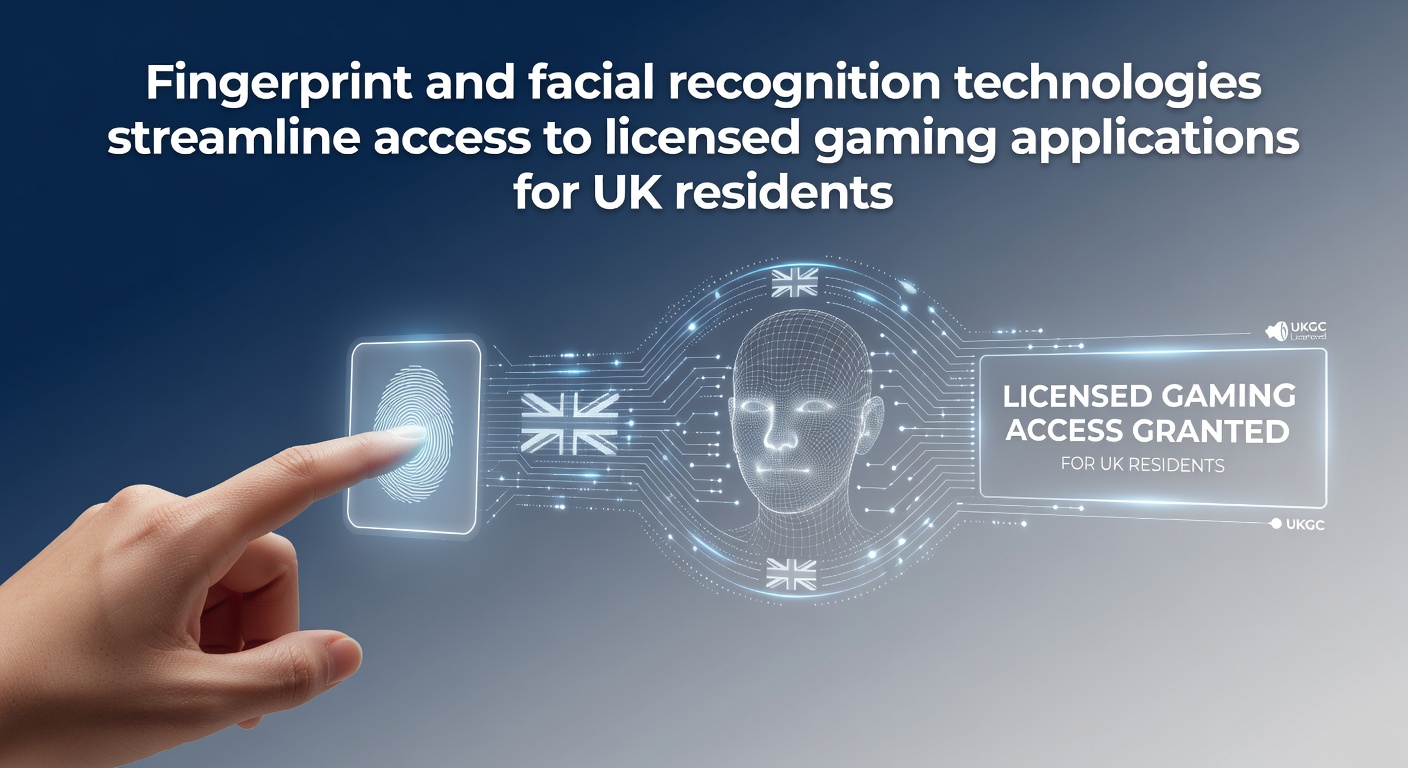
Biometric verification technologies have become central to how licensed gaming applications manage user entry across the United Kingdom, and data from industry reports shows continued growth in adoption rates through June 2026. Fingerprint scanning and facial recognition tools allow residents to complete authentication processes quickly while meeting security standards set by operators, and these methods reduce reliance on traditional passwords that users often forget or reuse across platforms. Observers note that many applications now integrate these features directly into mobile operating systems, which streamlines the initial setup and subsequent logins for players who prefer seamless access to slots, table games, and live dealer sessions.
Fingerprint Technology Integration in Daily Operations
Developers embed fingerprint sensors into app workflows so that registered users can authorize transactions or session starts with a single touch, and this approach cuts average login times from several seconds to under one according to performance benchmarks published by technology providers. Research from academic institutions indicates that fingerprint systems achieve high accuracy rates when calibrated properly, with false acceptance figures remaining below 0.1 percent in controlled tests conducted on consumer devices. Those who manage app infrastructure report that integration with Android and iOS frameworks happens through standardized APIs, which lets operators avoid custom hardware expenses while still delivering reliable results on popular smartphones used by British residents.
Many platforms combine fingerprint checks with device binding techniques so that verification remains tied to a specific handset, and this layer adds protection against unauthorized attempts even if login credentials become compromised elsewhere. Data collected by analytics firms reveals that users complete more sessions when friction decreases, and repeat engagement metrics rise steadily once biometric options replace manual entry methods in licensed environments.
Facial Recognition Capabilities and Their Role
Facial recognition modules capture and compare live images against stored templates during onboarding and routine access, and algorithms process these comparisons in milliseconds on modern processors. Studies from research organizations demonstrate that three-dimensional mapping and liveness detection features help distinguish between real faces and static images or video replays, which addresses common spoofing concerns in remote authentication scenarios. Operators who deploy these systems often schedule periodic re-verification prompts at random intervals to maintain account integrity without interrupting regular play.

What's interesting is how these tools handle varying lighting conditions and angles that occur during typical mobile use, and updates rolled out by software vendors have improved performance across diverse user demographics. European regulatory frameworks on digital identity emphasize consent and data minimization principles, which encourage developers to store only encrypted templates rather than raw images on central servers. Figures from technology adoption surveys show that facial recognition usage in gaming apps has expanded alongside broader smartphone penetration rates, particularly among residents who value hands-free options during travel or multitasking.
Security Enhancements and Data Handling Practices
Biometric data remains isolated within secure enclaves on device hardware in most implementations, and this architecture prevents extraction even during potential breaches of app servers. Industry associations highlight that encryption standards applied to biometric templates meet or exceed requirements outlined in international cybersecurity guidelines, and regular audits by independent firms confirm ongoing compliance. One study revealed that platforms using combined fingerprint and facial methods experienced fewer account recovery requests compared to those relying solely on knowledge-based authentication.
Residents benefit from reduced exposure to phishing attempts that target password entry fields, and transaction approvals occur locally on the device before any server communication takes place. Researchers discovered that such localized processing lowers latency while preserving user privacy, and this balance supports sustained participation in regulated applications without repeated manual interventions.
Adoption Patterns Among UK Residents
Market analysis conducted through June 2026 indicates that a growing share of licensed applications now default to biometric prompts after initial registration, and user surveys conducted by independent polling groups confirm higher satisfaction scores when login steps simplify. Observers note regional differences in preference, with urban populations showing quicker uptake due to higher smartphone upgrade cycles. Case examples from major operators illustrate how these features integrate with loyalty programs so that verified users receive instant access to personalized promotions and balance checks.
External reports from bodies such as the Federal Trade Commission on consumer authentication trends provide broader context on biometric reliability across sectors, while data from the International Internet Gaming Association tracks similar patterns within entertainment platforms. These sources show consistent movement toward passwordless systems that prioritize speed and security in equal measure.
Future Developments and Ongoing Adjustments
Hardware improvements in upcoming device generations promise even faster processing for multi-modal biometrics that combine fingerprint, facial, and voice elements, and software updates scheduled for late 2026 aim to refine edge-case handling during low-light or high-movement situations. Those who monitor technology deployment expect continued alignment with evolving data protection standards that apply across European markets, and this alignment supports cross-border functionality for UK residents who travel frequently.
Conclusion
Biometric systems continue to reshape how licensed gaming applications serve UK residents by replacing slower verification steps with direct sensor-based methods that maintain required security levels. Fingerprint and facial recognition tools work together within existing device ecosystems to deliver measurable reductions in access friction while supporting compliance frameworks that govern the sector. As hardware and software refinements accumulate through 2026 and beyond, these technologies stand positioned to sustain efficient, protected interactions for users who rely on mobile platforms for regulated entertainment options.